Reusable IoT Pallet Supplier Expands Network to Serve Increased Demand for Hygienic Pallets
Orlando, FL, July 7, 2021
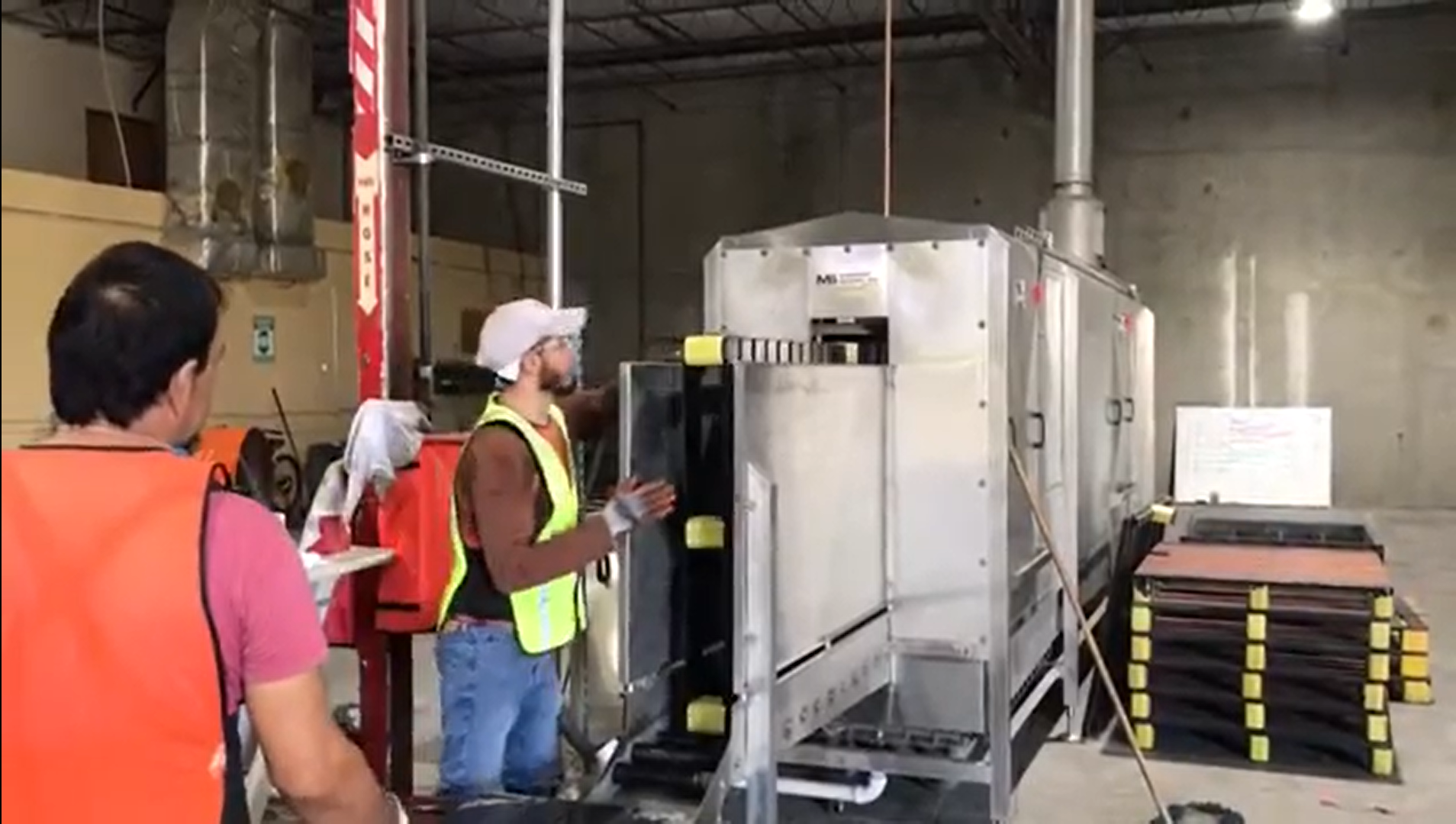
RM2, pioneer of the smart pallet revolution, is pleased to announce the grand opening of the Company’s newest automated pallet wash and sort facility in Birmingham, Alabama. The two-acre facility is RM2’s fourth automated wash facility and 34th network location in the U.S. and is strategically located to service the upstream supply chain pallet needs of the Company’s food industry customers located East of the Mississippi. The new location is also positioned for efficient asset returns from the Company’s retail partners. The Birmingham facility, which is operated in partnership with RM2’s logistics partner, Priority Global Express Inc., features a dedicated trailer parking area and a 1.2 million annual pallet washing capacity.

“RM2 is rapidly growing our wash capacity across the U.S. in response to increased demand for our BLOCKPal™ pallets,” commented Kevin Mazula, CEO of RM2, “the need for more hygienic, IoT-connected pallets, combined with the current wood pallet shortages, are driving more and more food producers and retailers to RM2, and we are working quickly to service their needs.”
Perishable supply chains are increasingly demanding IoT-enabled, hygienic, non-wood pooled block pallet solutions with reliably consistent quality. By embedding the Company’s unique autonomous sensor technology in its non-porous, washable, reusable pallets, RM2 is meeting these demands for high-volume food producers and retailers nationwide. At each of RM2’s growing number of cleaning facilities, BLOCKPal pallets are washed in standardized machines in an automated two-step process that ensures consistent cleaning and drying of the pallets. After the wash process is complete, pallets are swabbed to confirm acceptable ATP readings.
About RM2
RM2 launched the smart reusable pallet revolution by embedding autonomous IoT sensor technology in its logistically optimized, hygienic BLOCKPal™ composite pallets. IoT sensor data are transmitted to the cloud via the LTE-M network, making visible the pallet’s location and condition both indoors and in transit without requiring any additional hardware or IT development or training. RM2’s End-to-end Logistics Intelligence Optimization and Tracking (RM2 ELIoT®) technology – the Company’s cloud-based supply chain intelligence platform – captures and contextualizes location, temperature, shock, and event data, giving customers end-to-end supply chain visibility and clear, actionable insights in real time. RM2 issues, retrieves, and sanitizes more than 1.5 million reusable IoT pallets annually through a nationwide network of over 30 service facilities in a cost-effective, scalable, and environmentally sustainable pallet pooling system. Learn more at www.RM2.com.
Reusable IoT Pallet Supplier Expands Network to Serve Increased Demand for Hygienic Pallets
Orlando, FL, September 30, 2020
RM2, the company that launched the smart pallet revolution by embedding autonomous IoT sensor technology in its logistically-optimized, hygienic BLOCKPal™ reusable pallets, is pleased to announce the grand opening of the Company’s newest automated pallet wash and sort facility in Rogers, Arkansas. The 4.5-acre facility is RM2’s third automated wash facility and 33rd network location in the U.S., and is strategically located to support key customers’ hygienic pallet needs. The facility, which is operated in partnership with RM2’s logistics partner, Priority Global Express Inc., has a 1.2 million annual pallet washing capacity and will create up to 45 jobs in Northwest Arkansas.
“Not only will the facility double RM2’s wash capacity in the region,” commented Kevin Mazula, CEO of RM2, “but also it is the latest in ‘smart connected’ facilities that leverage ELIoT™, RM2’s cloud-based supply chain intelligence platform, to provide end-to-end supply chain visibility to our customers.”
Perishable supply chains are increasingly demanding IoT-enabled, hygienic, non-wood pooled block pallet solutions with reliably consistent quality. By embedding the Company’s unique autonomous sensor technology in its non-porous, washable, reusable pallets, RM2 is meeting these demands for high-volume food producers and retailers nationwide. At each of RM2’s growing number of cleaning facilities, BLOCKPal pallets are washed in standardized machines in an automated two-step process, which ensures consistent cleaning and drying of the pallets. After the wash process is complete, pallets are swabbed to confirm acceptable ATP readings.
About RM2
RM2 launched the smart reusable pallet revolution by embedding autonomous IoT sensor technology in its logistically optimized, hygienic BLOCKPal™ composite pallets. IoT sensor data are transmitted to the cloud via the LTE-M network, making visible the pallet’s location and condition both indoors and in transit without requiring any additional hardware or IT development or training. RM2’s End-to-end Logistics Intelligence Optimization and Tracking (ELIoT™) technology – the Company’s cloud-based supply chain intelligence platform – captures and contextualizes location, temperature, shock, and event data, giving customers end-to-end supply chain visibility and clear, actionable insights in real time. RM2 issues, retrieves, and sanitizes more than 1.5 million reusable IoT pallets annually through a nationwide network of over 30 service facilities in a cost-effective, scalable, and environmentally sustainable pallet pooling system. Learn more at www.RM2.com.
In modern supply chains, hygiene and safety are foundational requirements, particularly in food, beverage, pharmaceutical, and cold chain environments. As regulatory expectations tighten and consumer scrutiny increases, organizations must evaluate every component of their logistics systems, including transport platforms such as pallets. Hygienic design is not simply about cleanliness. It is about risk prevention, regulatory compliance, worker protection, and long-term brand integrity.
Why Hygiene Matters in Supply Chain Infrastructure
Transport packaging moves through multiple facilities, climates, and handling points. Along the way, it may be exposed to moisture, debris, pests, chemicals, and organic residues. If not properly designed and maintained, these assets can become vectors for contamination that affect both product safety and quality.
Porous materials such as wood can absorb liquids and retain moisture, creating conditions favorable to mold growth, bacterial presence, and pest activity. In food distribution environments, this presents clear safety and compliance concerns. The U.S. Food and Drug Administration’s Food Safety Modernization Act emphasizes preventive controls and sanitation across the entire supply chain, not just within production facilities. Companies are expected to identify and mitigate contamination risks wherever they occur, including within transport and storage systems.
As a result, pallets and other load carriers are not neutral components. They are part of the broader food safety framework and must be evaluated accordingly.
Core Principles of Hygienic Design in Material Handling
Industry guidance consistently reinforces the importance of hygienic design in environments where food or pharmaceuticals are handled. Equipment and transport assets that support sanitation programs make compliance more achievable and reduce risk. Effective hygienic design in material handling systems typically includes:
- Materials that do not absorb moisture
- Surfaces that are smooth and easy to clean
- Resistance to mold and microbial growth
- Minimal crevices where debris can accumulate
- Durability under repeated washdowns and sanitation procedures
Organizations such as Food Safety Magazine stress that hygienic design is most effective when applied proactively rather than reactively. Infrastructure that supports sanitation reduces the burden on cleaning protocols and improves audit readiness across facilities.
Safety Considerations Beyond Contamination
Hygiene and safety extend beyond microbial control. Worker protection and operational stability are equally important components of a comprehensive safety strategy. Damaged or poorly maintained pallets can welcome hazards that affect both personnel and product integrity. Common concerns include:
- Splinters or sharp edges
- Protruding fasteners
- Loose boards or structural instability
- Inconsistent dimensions that disrupt automated systems
These issues can increase the likelihood of injuries, product damage, and equipment downtime. In high-volume distribution environments, even minor inconsistencies can have amplified operational impacts.
Fire safety is another critical consideration. Warehouses storing large volumes of goods must comply with fire protection standards and implement appropriate risk mitigation strategies. Material selection and pallet design influence overall fire load and facility safety planning, making them part of broader compliance discussions.
Operational and Reputational Impacts
The consequences of insufficient hygiene and safety controls can be substantial. Failures within supply chain infrastructure may contribute to:
- Product recalls
- Spoilage and waste
- Regulatory penalties
- Worker injuries
- Loss of customer confidence
Conversely, infrastructure designed with hygiene and safety in mind supports:
- Stronger compliance posture
- Improved audit outcomes
- Reduced contamination risk
- Safer working environments
- Greater operational consistency
In highly regulated industries, these outcomes directly affect financial performance, operational resilience, and long-term brand equity. Hygiene and safety are therefore not isolated operational details but strategic priorities.
Conclusion
Hygiene and safety in supply chains encompass every surface, system, and asset involved in product movement. As regulatory frameworks evolve and transparency expectations increase, organizations must take a holistic approach to risk mitigation that includes evaluating pallet materials, cleanability, durability, and safety characteristics. Hygienic design should be viewed as a preventive control that strengthens compliance, reduces risk exposure, and supports sustainable operational performance across the supply chain.
For companies reassessing their transport packaging strategy, pallet systems should align with modern hygiene and safety standards, and RM2’s composite pallet solutions are engineered to support ease of cleaning, durability, and consistent performance in demanding environments such as food, beverage, pharmaceutical, and cold chain logistics. To learn more about how pallet design can support your hygiene and safety objectives, visit http://www.RM2.com.
In the fast-paced world of modern supply chains an unsung hero is working behind the scenes: the pallet. These platforms bear the weight of industries, enabling the seamless movement of goods from one point to another. But beyond their structural integrity and logistical significance lies a crucial factor that goes unnoticed: cleanliness. Clean pallets are the guardians of product safety, quality assurance, and operational efficiency.
Product Safety and Quality Assurance
Clean pallets contribute to the maintenance, safety, and quality of the goods transported. A dirty or contaminated pallet can introduce foreign materials, such as dust, debris, bacteria, or pests, which may compromise the integrity of the products. For industries like food, pharmaceuticals, and healthcare, where product safety is paramount, clean pallets are essential to ensure that the goods remain untainted throughout the supply chain. By utilizing clean pallets, businesses can maintain the freshness, purity, and overall quality of products, safeguarding their reputation and customer satisfaction.
The increase in safety concerns as well as the ongoing wood pallet shortage is leaving supply chains and warehouses scrambling to find a substitute. Plastic and fiberglass composite pallets (like RM2’s BLOCKPal) are increasingly becoming that go-to replacement. Let’s look at how these two options stack up on critical issues of environmental impact, durability, and safety.
Plastic Pallets
An oil-based product, the production of plastic pallets has a significant environmental impact. These pallets do have a longer shelf life than wood at 50 uses but lack the strength and durability to sustain heavy weight or tough cold chain environments, often becoming brittle or cracking in extreme temperatures. Due to the flammability of plastic, the pallets are treated with toxic chemical flame retardants to meet fire safety regulations, creating a limitation for some uses. Plastic does offer a lighter weight than wood, helping to keep fuel costs down. However, the lack of repairability leaves the plastic pallets to be ground up and recycled at the end of their useful life.
As supply chain managers make the shift to a wood alternative, they are also looking for increased visibility into their supply chain logistics – seeking out pallet options that offer traceability. Due to economic viability, plastic pallets remain limited to geo-tracking devices that are restricted in their data-sharing capabilities.
Regulatory Compliance
Many industries operate under stringent regulations and standards to guarantee consumer safety. Clean pallets play a vital role in meeting these regulatory requirements. Regulatory agenciesset guidelines on cleanliness, hygiene, and sanitization practices to minimize the risk of contamination and maintain the integrity of goods. By using clean pallets that adhere to these regulations, businesses demonstrate their commitment to compliance and mitigate the potential risks of non-compliant practices. Moreover, complying with these regulations protects businesses from legal consequences and reputational damage.
Preventing Cross-Contamination
Industries that transport different products or materials using the same pallets run the risk of cross-contamination. Clean pallets help minimize the risk of cross-contamination by ensuring there are no traces of previous products, residues, or contaminants on the pallets. This is particularly critical for sectors such as food and pharmaceuticals, where even trace amounts of certain substances can have severe consequences.
Enhanced Efficiency and Cost Savings
Clean pallets contribute to the overall efficiency and cost-effectiveness of supply chain operations. Pallets in good condition, free from dirt, debris, and contaminants, are less likely to cause delays, disruptions, or damage during transportation. Clean pallets reduce the risk of breakage, which can lead to product loss and additional costs. They also minimize the chances of equipment malfunction and conveyor system clogs, resulting in smoother material handling operations and increased productivity. By utilizing clean pallets, businesses can enhance their operational efficiency, reduce downtime, and ultimately save on costs associated with product damage and logistical inefficiencies.
Recognizing the importance of clean pallets, manufacturers like RM2 have implemented measures to guarantee their hygiene. RM2’s BLOCKPal™ composite pallets are engineered from nonporous materials, naturally resistant to bacteria, chemicals, and pests. Additionally, these pallets are non-shedding, eliminating the risk of dust or debris and ensuring a clean and uncontaminated environment for transported goods. RM2 operates three cleaning facilities that adhere to ISO 22000 standards. Their two-step cleaning process includes disinfection, followed by ATP readings of 50 or below to verify the effectiveness of the sanitation. Regular swabbing and RLU readings provide customers with a hygienic audit trail, instilling confidence in the cleanliness of the pallets. The cleanliness of pallets is important for businesses looking to maintain the integrity of their products and implement a smooth supply chain operation. Clean pallets contribute to product safety and quality assurance, and comply with regulatory standards, enhance operational efficiency, and reduce costs. By prioritizing clean pallets, businesses can uphold their commitment to consumer safety, protect their brand reputation, and optimize operational efficiency. RM2, through their smart reusable BLOCKPal™ composite pallets, have revolutionized the industry with embedded autonomous IoT sensor technology to optimize logistics. With nonporous, non-shedding materials, stringent cleaning processes, and hygienic audit trails, RM2 sets an industry standard for clean pallets. Embracing clean pallets is a proactive step toward building a reliable and hygienic supply chain, benefiting businesses and consumers. In supply chains with high sanitation requirements, such as food manufacturing and pharmaceuticals, pallets can be a major concern. Although pallets are not primary packaging in these industries—meaning they do not come into direct contact with the products they carry—they can still pose significant contamination risk to the facilities and products for which they’re used. Wood pallets, in particular, have come under intense scrutiny many times over the last decade as the cause of various FDA recalls. As a result, many food and pharmaceutical manufacturers as well as retailers began looking for non-wood pallet materials to avoid the risk of contamination, and the pressure to convert to more hygienic pallets continues to mount. Here, we examine the various types of contamination hygiene-sensitive pallet users must avoid, and compare the level of risk that wood, HDPE plastic, and fiberglass composite pallets pose to users. In 2019, the U.S. Department of Agriculture’s (USDA) Food Safety and Inspection Service (FSIS) began developing guidelines for meat and poultry industry operators after noting a significant increase in the number of recalls for contamination with foreign materials. The meat and poultry industry is certainly not alone in this challenge, as foreign materials in finished products is one of the top drivers of consumer complaints across all sectors of the food industry. The risk posed by foreign materials is not limited to inclusion in finished product. Broken pieces of wood or plastic pallets can tear open soft primary packaging such as boxes and bags, as can nails or other fasteners used to manufacture these pallets. Damage to the primary packaging leaves the product inside vulnerable to contamination by any number of substances during distribution, even if the piece of pallet material or fastener does not end up inside the finished product. Spills of damaged product create additional hygiene issues if the product leaks in storage or during transportation. In the case of food products, spills can also provide an attractive food source for pests within the facility or truck. Managing this risk when using wood pallets or older plastic pallets that have become brittle is a significant challenge for food safety and quality assurance professionals across the food sector. When discussing foreign material risk, wood pallets deservedly receive the majority of scrutiny. But HDPE plastic pallets present a similar risk as they age or are exposed to temperature extremes in the cold chain. The plastic becomes increasingly brittle with use and exposure, and more susceptible to breakage and splintering. In contrast, fiberglass composite pallets are made from a non-shedding material that does not produce dust or debris, eliminating risk of foreign material from the pallets themselves. Even at the end of the useful life (around 150 uses), fiberglass composites have been shown to maintain structural integrity in independent testing by Virginia Tech1. This composite, called Fiberglass Reinforced Plastic (FRP), is a very common material used to manufacture items that must withstand heavy weight, wide temperature fluctuations and impact without splintering. The material is commonly used in bath tubs and shower stalls, doors, composite decking, swimming pools and hot tubs, boats, snow and water skis, to name a few. When discussing pathogens and pests, it should come as no surprise that wood presents the biggest challenge. Its absorbent nature allows wood to become an attractive host for bacteria, mold, and other microorganisms once it absorbs moisture, a common occurrence in food and pharmaceutical supply chains. Not only can visible liquids such as water from melted ice or even liquid products seep into the wood, swings in temperature and humid environments can create invisible condensation within the wood fibers. Also, users attempting to clean visible debris from wood pallets by spraying with water inadvertently create a host environment for invisible pathogens and mold spores. Toxic liquids from previous users may be absorbed into wood pallets, with future users none the wiser. In many cases, these chemicals such as anti-fungal treatments are intentionally placed on the pallets in order to decontaminate them or prevent contamination. Wood pallets are both hard to clean and simple to accidentally contaminate, which is why many users seek pallets made from alternative materials, such as plastic or fiberglass composite. Both HDPE plastic pallets and fiberglass composite pallets are made from non-porous materials, which is a huge advantage over wood pallets from a hygiene perspective. However, although plastic pallets do not absorb moisture or chemicals, they cannot match the fiberglass composite pallet’s inherent antimicrobial properties. The RM2 BLOCKPal is fully encased in a polyurethane composite which is impervious to bacterial contamination and meets the ASTM G21 anti-fungal standard and are ISPM-15 exempt. Further, many plastic pallets must be treated with carcinogenic fire-retardant chemicals in order to meet the FM 4996 fire safety standard, whereas fiberglass composite pallets are naturally fire retardant and require no additional carcinogens or neurotoxins to meet the FM 4996 standard. With all the hygiene risks outlined above, it’s no wonder many pallet users want to clean their pallets before use. Unfortunately, in the case of wooden pallets, washing can remove visible debris but increase likelihood of other contamination. In addition to adding moisture, high pressure sprayers can compromise the integrity of the wood surface, making it even more susceptible to pathogens, pests, and mold. The use of sanitizing chemicals can present the same issues, as well as contaminate the wood with unsafe chemicals for future users. Both fiberglass composite pallets and plastic pallets can be sprayed down with water or sanitizing chemicals to remove debris and eliminate surface pathogens, using an appropriate cleaning agent. However, users who choose to sanitize pallets themselves bear the risk if pallets are not cleaned properly. Unfortunately, plastic pallet poolers typically do not offer sanitization services, and thus users are forced to try to clean to strict standards themselves. Fortunately, RM2 offers pallet cleaning services for hygiene-sensitive users. The company operates three strategically located pallet cleaning facilities in the United States, each with the capacity to wash over one million RM2 pallets each year. The pallets are washed in standardized machines in an automated two-step process that ensures consistent cleaning and drying of the pallets, including 140° F water with high-pressure jets located at the top, middle, and bottom of each pallet, using environmentally-friendly, non-toxic Simple Green detergent. The pallets are rinsed in clean water using additional high-pressure jets to remove any detergent residue, then dried with mechanical blowers prior to exiting the machine. After the wash process is complete, pallets are swabbed to confirm acceptable ATP readings. For more information on RM2’s BLOCKPal pallets and pallet cleaning services, contact us.Conclusion
Foreign Material Risk from Pallet Debris
The (Mostly) Unseen Pallet Hygiene Threats: Toxicity, Pathogens and Pests
Taking Action: Pallet Cleaning and Sanitation